Sport with standards
A serious race must communicate accurate distances, official rules, safe routes, timing arrangements and realistic medical provisions. Excitement cannot replace operational discipline.
EXPLORE THE RACE ↗
Inspired by a global journey, rooted in Cameroon, and brought to life by runners, families, volunteers and partners. This is the story of how a city race began—and who it is becoming.
The inspiration for the Yaoundé Cultural Marathon did not begin with a conventional race calendar. It came from a question: what might happen if the colour and identity of Cameroon could travel through running, and running could bring people of different backgrounds together?
In his public account of the idea, founder Afowiri Kizito Fondzenyuy recalls seeing runners wearing traditional clothing and national colours during the Berlin Marathon. The scene suggested that participation could communicate belonging as powerfully as a finishing time. He began to imagine a cultural running event in Cameroon’s own capital.
The ambition grew beyond one runner or one fabric. It became a shared city experience—one in which competitive athletes, beginners, children, families, cultural communities and persons with disabilities could participate on their own terms.
DISCOVER THE CULTURAL EXPERIENCE ↗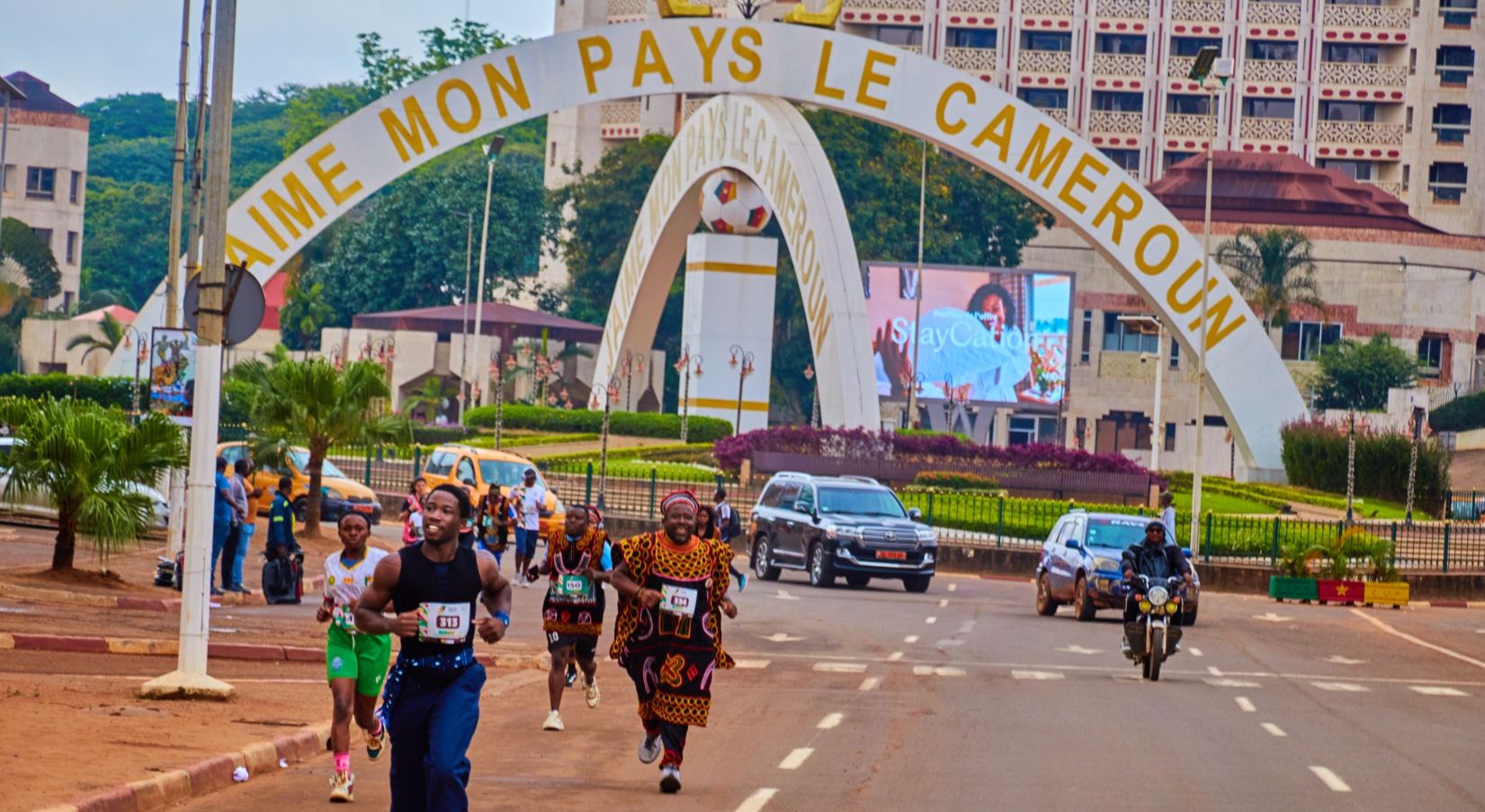
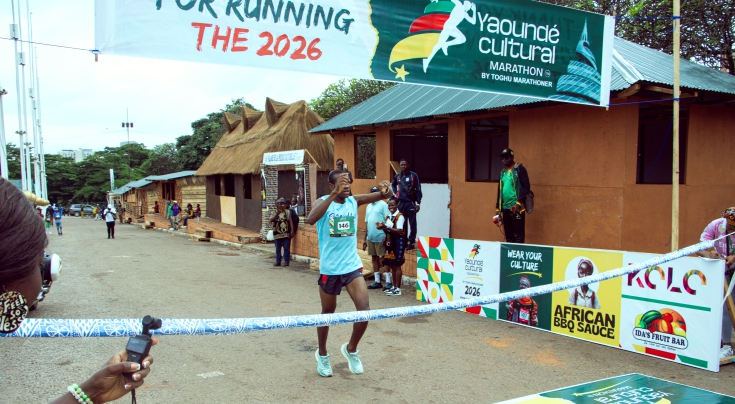
On 18 July 2026, the inaugural Yaoundé Cultural Marathon moved from a proposal into a public event. Its start and finish were at the National Museum. From there, the route carried runners through central Yaoundé, past significant urban landmarks and the Reunification Monument.
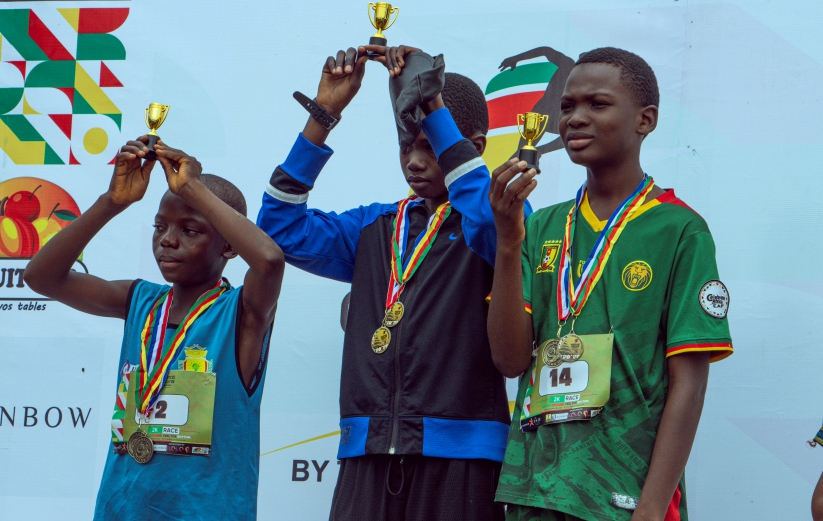
The event was assembled in approximately eight weeks. About 164 participants were accounted for across the Children’s 2K, 5K, 10K and Inclusive Run & Walk. Athletes pursued the clock, children collected first medals, volunteers supported the event and families created memories that no results table could fully capture.
The first edition was modest in size but important in proof: culture could give a city race a distinct identity; competitive and recreational runners could coexist; and inclusive participation deserved a place in the principal event experience.
EXPLORE THE 2026 LEGACY ↗The 2027 plan aims to grow through specific communities rather than expect thousands of individuals to discover one registration button. It envisages participation from schools, universities, companies, professionals, faith and community organisations, international residents, the diaspora and running clubs.
A planning ambition of 3,500 participants is a target, not an achieved result. New distances and programme elements require formal operational approval. The work now is to turn the trust earned in 2026 into a better prepared, more welcoming and more dependable 2027 experience.
This is the story the website should tell: an idea inspired by global running; a first chapter delivered by many hands in Yaoundé; and a second chapter shaped by people who choose to show up.
FIND YOUR WAY TO PARTICIPATE ↗